The Culinary Odyssey: From Portuguese Roots to Modern Lamb Vindaloo
The story of Vindaloo is a vibrant tapestry woven with threads of history, cultural fusion, and culinary innovation. Originating in the sun-drenched coastal state of Goa, India, this iconic curry has journeyed far from its initial incarnation, adapting and evolving to become one of the world's most beloved spicy dishes. While many associate it with its fiery heat, the true genius of Vindaloo lies in its complex balance of piquancy and a distinctive tang. Our focus today is on its remarkable transformation, specifically highlighting the rise of the
lamb vindaloo – a testament to its enduring adaptability and universal appeal.
Vindaloo's legacy began not in India, but with the arrival of Portuguese explorers and traders in the 15th century. They brought with them a dish known as "carne de vinha d'alhos," a method of preserving pork by marinating it in wine (vinho) and garlic (alhos). As this technique found its way into Goan kitchens, it underwent a fascinating metamorphosis. Local ingredients and culinary traditions started to shape it, replacing wine with local palm vinegar and incorporating an array of vibrant Indian spices, most notably the dried red chilies for which the dish is now famed. Originally a pork-based stew, reflecting the meat preferred by the Portuguese and some Christian communities in Goa, Vindaloo eventually broke free from its initial boundaries.
The Evolution of a Classic: Why Lamb Entered the Vindaloo Lineup
For centuries, pork vindaloo reigned supreme in Goan households and restaurants, celebrated for its rich flavor and tender texture. However, as the dish spread beyond Goa's borders and across India, cooks faced a dilemma: pork was not universally consumed due to religious or dietary preferences. This necessity became the mother of invention, paving the way for creative adaptations that introduced other proteins, most notably chicken, and the deliciously robust lamb or mutton.
The transition to
lamb vindaloo was a natural progression. Lamb, with its rich, gamey flavor, proved to be an excellent canvas for the bold and aromatic vindaloo paste. It could stand up to the intense spices and the signature tang of vinegar, absorbing the flavors beautifully during slow cooking. This shift not only broadened the dish's appeal to a wider audience, including those who prefer or exclusively consume lamb, but also demonstrated the inherent flexibility of the vindaloo concept itself. The core principles – marination in a pungent, acidic paste followed by slow cooking – remained, while the star protein evolved.
Beyond the Heat: The Indispensable Role of Vinegar in Vindaloo
While Vindaloo is synonymous with "fiery hot," thanks to its generous use of dried red chilies, the true secret weapon, especially in
lamb vindaloo, is undoubtedly vinegar. Often mistaken as merely a souring agent, vinegar performs several critical functions that elevate the dish far beyond simple heat:
- Tenderization: The acetic acid in vinegar works wonders on tougher cuts of meat like lamb, breaking down muscle fibers during marination. This results in incredibly succulent, fork-tender lamb after slow cooking, a hallmark of an authentic vindaloo.
- Flavor Depth: Vinegar provides a crucial counterpoint to the intense heat of the chilies and the earthiness of other spices. It introduces a tangy, almost bright note that cuts through the richness, preventing the curry from becoming one-dimensional. It's this beautiful interplay of spicy, sour, and savory that makes vindaloo a "carnival of flavors."
- Preservation: Historically, vinegar played a role in preserving the meat, a remnant of its Portuguese origins, though in modern cooking, its flavor contribution is paramount.
Without vinegar, a vindaloo loses its essential character. It becomes just another spicy curry, lacking the multi-dimensional flavor profile that defines this Goan masterpiece. Balancing this tang with a touch of sweetness, often from jaggery or brown sugar, is key to achieving the perfect, harmonious vindaloo.
Crafting the Perfect Lamb Vindaloo: Tips for Home Cooks
Creating an authentic and delicious
lamb vindaloo at home might seem daunting given its complex flavor, but it's surprisingly achievable. The key lies in a few fundamental steps and understanding the role of each ingredient.
The Heart of the Dish: Homemade Vindaloo Paste
The soul of any vindaloo is its paste. While store-bought pastes exist, grinding your own ensures unparalleled freshness and flavor. The basic components include:
- Dried Red Chilies: Rehydrate them in hot water to soften before grinding. Adjust the quantity to your heat preference.
- Garlic and Ginger: These aromatics are hero ingredients, providing a pungent, foundational flavor.
- Whole Spices: Coriander seeds, cumin seeds, black peppercorns, cloves, and cinnamon sticks are typically dry-roasted and then ground.
- Vinegar: Opt for a good quality white vinegar or apple cider vinegar. This is non-negotiable for flavor and tenderizing.
Blend these ingredients with a little water or more vinegar until you achieve a smooth, fragrant paste.
Marination Matters (But Don't Overdo It!)
Once your paste is ready, coat your boneless lamb chunks thoroughly. Marination allows the flavors to penetrate the meat, and the vinegar to begin its tenderizing magic. A marination period of 5-6 hours is ideal. While longer marination might seem beneficial, the high acidity of the paste can start to change the texture of the lamb if left for too long (e.g., overnight), making it a bit mealy. So, stick to the recommended timing for best results.
Cooking Methods for Tender Lamb
The goal is fork-tender lamb, enveloped in a rich, spicy, and tangy gravy.
- Slow-Cooker Method: This is a fantastic option for busy days. Brown your marinated lamb with onions, then transfer to a slow cooker and let it simmer for several hours until meltingly tender.
- Stove Top: After browning the lamb and onions, add the remaining paste and liquid (water or stock) and simmer on low heat, covered, for 1.5-2 hours or until the lamb yields easily to a fork. Stir occasionally.
- Instant Pot/Pressure Cooker: For a quicker cooking time, the Instant Pot is a game-changer. Brown the lamb and onions using the sauté function, then add the paste and liquids. Cook on high pressure for about 20-25 minutes, followed by a natural release. This method ensures incredibly tender lamb in a fraction of the time.
Balancing the Flavors
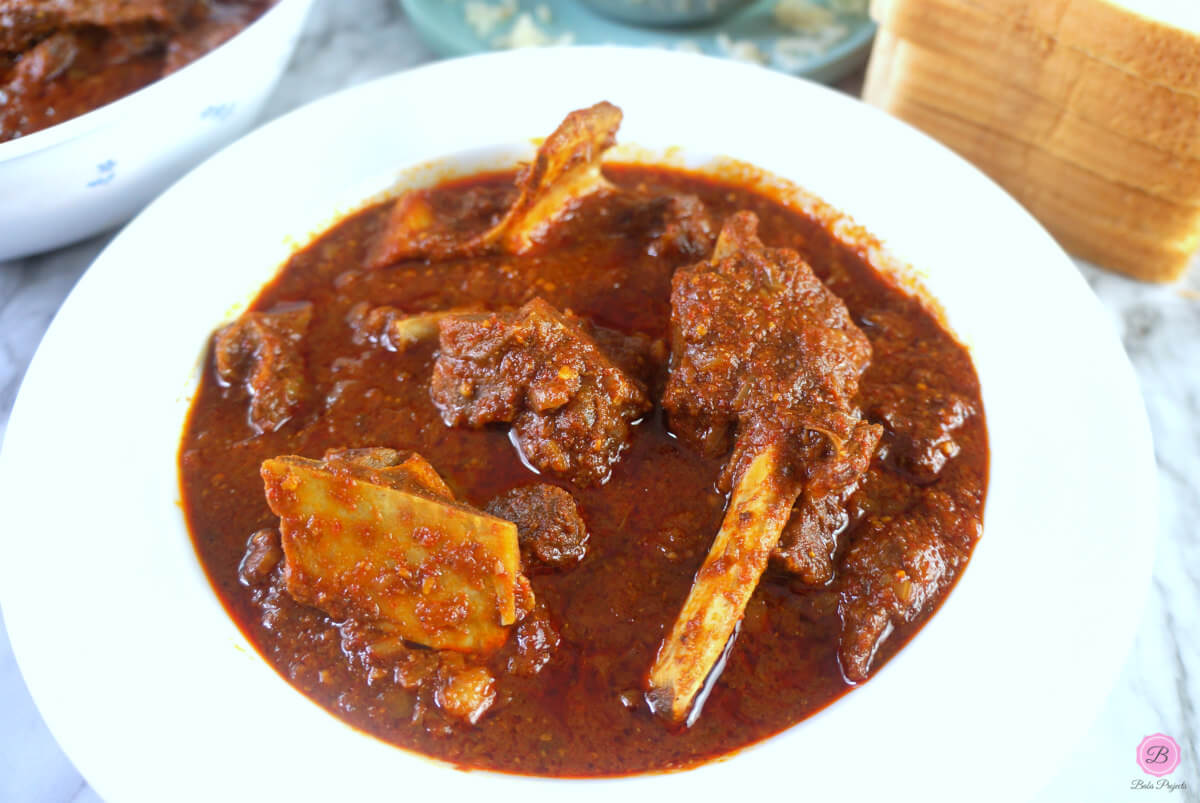
Towards the end of cooking, taste your vindaloo. If it's too tart or too spicy, a small amount of jaggery or brown sugar can work wonders to mellow the heat and balance the acidity, bringing out the inherent sweetness of the lamb. The final gravy should be thick, glossy, and deeply flavored, appearing a rich reddish-brown hue.
The Enduring Appeal of Lamb Vindaloo
From its humble beginnings as a Portuguese preservative to its current status as a global culinary icon, Vindaloo has journeyed far. The evolution to
lamb vindaloo is a testament to its adaptability, catering to diverse palates without compromising its core identity. This bold, flavorful curry, with its exquisite balance of heat, tang, and aromatic spices, continues to captivate food enthusiasts worldwide. Whether served with fluffy basmati rice, warm naan, or crusty bread, a well-made lamb vindaloo promises a deeply satisfying and unforgettable dining experience – a true celebration of culinary history and innovation.